
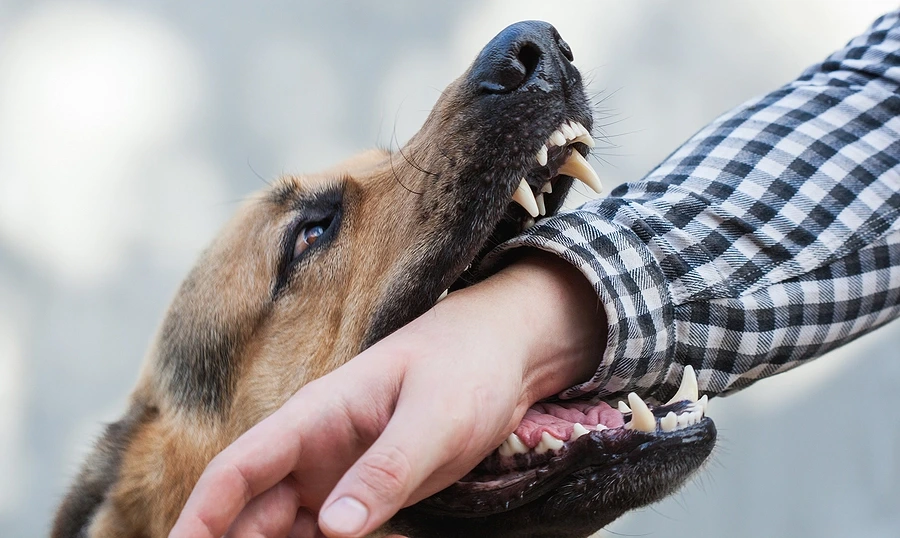
Dog bites can be more than painful; they can lead to serious injury, emotional trauma, and expensive medical bills. In Texas, the laws governing dog bites are designed to protect victims while also holding owners accountable for their pets. However, understanding the difference between general dog bite laws and claims based on owner negligence can be confusing. Knowing your rights and responsibilities after a dog attack is crucial to protect your health and secure compensation if needed.
Texas Dog Bite Law Overview
Texas law addresses dog bites through a combination of civil liability rules and specific statutes. One of the key principles is that dog owners are responsible for their pets, but the degree of responsibility depends on the circumstances. Unlike some states that impose strict liability for any dog bite, Texas uses a combination of statutory rules and common-law negligence principles.
Under Texas law, a dog owner can be held liable if their dog causes injury in certain situations. This may include cases where the dog bites someone without provocation or when the owner knew or should have known the dog could be dangerous. Liability can also arise from negligent actions, such as failing to secure a pet, not warning visitors, or allowing a dog with a history of aggression to roam freely.
Strict Liability vs. Negligence Claims
Dog bite cases generally fall into two categories: strict liability and negligence. Understanding the difference can affect the strategy for pursuing compensation.
Strict liability applies when the law holds the owner responsible regardless of precautions they may have taken. In Texas, this is not as broad as in some other states. Specific conditions must be met, such as the bite occurring in a place where the victim has a legal right to be. If strict liability applies, victims do not need to prove the owner acted carelessly. They only need to show that the dog caused the injury.
Negligence claims, on the other hand, require proof that the owner failed to exercise reasonable care, which led to the injury. For example, if a dog escapes from a fenced yard because the gate was left open and bites someone, the owner may be negligent. Proving negligence often involves gathering evidence about the owner’s actions, prior incidents, and the circumstances of the bite.
When Victims Can File a Claim
Victims of dog bites can pursue a claim if they were injured due to a dog’s behavior and the owner is legally responsible. This can include:
- People bitten while on the owner’s property
- Pedestrians or visitors on public property if the owner failed to control the dog
Children or adults injured by aggressive behavior the owner knew or should have known about
Not all dog bites automatically result in compensation. For example, if the victim provoked the dog or was trespassing on private property, the owner may have a defense. Texas law considers factors such as provocation, whether the bite occurred in a lawful location, and whether the owner exercised reasonable care.
Evidence That Supports a Dog Bite Case
Gathering evidence quickly is essential to support a claim. Important forms of documentation include:
- Medical records detailing injuries, treatment, and long-term care
- Photos of injuries and bite locations
- Witness statements from people who saw the incident
- Animal control or police reports documenting the bite
- Evidence of prior incidents or warnings about the dog
Medical documentation is particularly important. Insurance companies and courts look for proof of injuries and treatment, including any permanent effects or scarring. Witness testimony can also confirm the circumstances and show that the victim did not provoke the dog.
Understanding the Owner’s Duty
Dog owners in Texas have a duty to prevent their pets from causing harm. This duty may involve:
- Keeping the dog on the owner’s property or securely leashed
- Supervising pets around strangers or children
- Taking reasonable steps if the dog has a history of aggression
- Warning visitors or neighbors of potential risks
Failure to meet these duties can form the basis for a negligence claim. For victims, proving that the owner breached these responsibilities is critical to obtaining compensation for medical bills, lost wages, pain, and emotional distress.
Insurance Considerations
Many homeowners’ and renters’ insurance policies cover dog bite claims. Insurance companies may offer compensation for medical expenses, rehabilitation costs, and liability if the owner is found responsible. However, some policies exclude coverage for certain breeds or may limit payouts. Legal guidance ensures that victims receive fair consideration and helps navigate the often complex interaction between insurance policies and personal injury claims.
The Importance of Legal Guidance
Dog bite cases can involve serious injuries, including deep puncture wounds, infections, and long-term physical or emotional damage. Legal action can be complex because liability may depend on owner behavior, property conditions, and the location of the incident. An experienced attorney can help victims:
- Evaluate whether strict liability or negligence applies
- Gather and preserve evidence
- Communicate with insurance companies
- Calculate damages for current and future needs
- Handle filings and deadlines
Chelsie King Garza provides support to dog bite victims across Texas. Her guidance ensures that victims focus on recovery while she manages the legal process, increasing the likelihood of fair compensation.
Preventing Dog Bite Injuries
While accidents cannot always be avoided, awareness and caution can reduce the risk of dog bites. Individuals should:
- Avoid unfamiliar dogs, especially if they show signs of aggression
- Ask permission before approaching a dog
- Remain calm and avoid sudden movements around pets
- Teach children safe behavior around animals
For pet owners, prevention includes training, proper containment, and monitoring interactions with strangers. Responsible pet management reduces the risk of harm and legal liability.
Get in Touch with a Dog Bite Attorney
Dog bites can cause physical injuries, emotional trauma, and financial burdens. Texas law provides pathways for victims to seek compensation, either through strict liability rules or by demonstrating owner negligence. Understanding these legal distinctions is essential to protecting your rights. Chelsie King Garza and her team help victims navigate dog bite claims, gather evidence, communicate with insurance companies, and pursue full compensation for medical care, lost wages, and long-term recovery. If you or a loved one has been bitten by a dog, contact Chelsie King Garza today to discuss your case and take the first step toward protecting your legal rights.
